Paip β-PPH
Spesifikasi Produk: DN15 (D20), DN20 (D25), DN25 (D32), DN32 (D40), DN40 (D50...

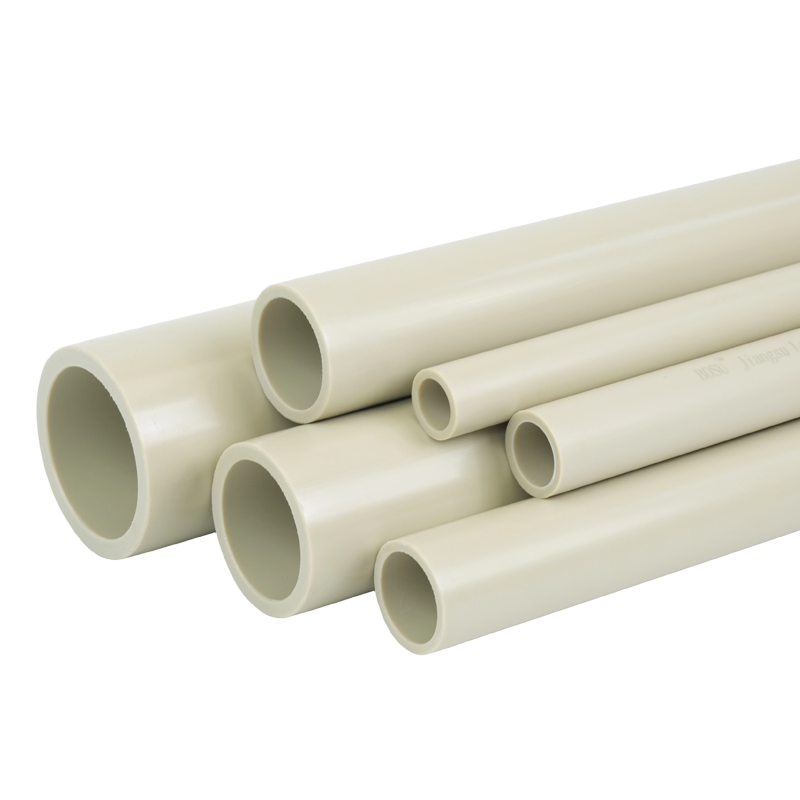
Spesifikasi Produk: DN15 (D20), DN20 (D25), DN25 (D32), DN32 (D40), DN40 (D50...
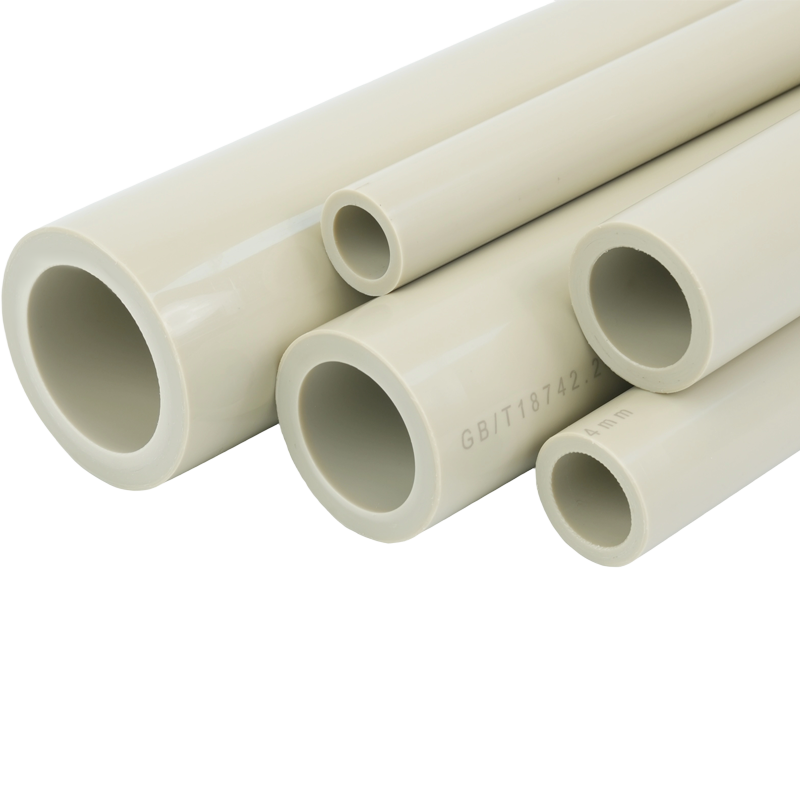
Spesifikasi Produk: DN15 (D20), DN20 (D25), DN25 (D32), DN32 (D40), DN40 (D50...
Krew penutupan di loji kimia mempunyai satu kerja yang tinggal sebelum dimulakan semula: menggantikan gasket yang bocor pada injap dua belas meter di dalam talian PPH yang dikimpal sepenuhnya. Memotong paip bermakna kili baru, kimpalan baru, menunggu penyejukan dan ujian tekanan kedua, empat jam tambahan mengikut...
Lihat LagiMembeli injap bola plastik dengan bertanya "adakah anda menjualnya?" ialah bagaimana projek akhirnya membayar dua kali. Apa yang sebenarnya memutuskan sama ada injap bola plastik berfungsi dengan senyap selama lima tahun atau gagal pada yang pertama, ialah bahan badan, elastomer pengedap dan cara badan injap berc...
Lihat LagiDua tukang pasang, satu gegelung 2 dalam paip PVDF dan satu peti penyesuai bebibir DN 50. Semuanya tiba mengikut jadual dan tiada apa yang sesuai: paip berukuran 60.3 mm di bahagian luar, manakala penyesuai dimesin untuk diameter luar 50 mm. Tiada label yang salah. Bahagian tersebut hanya dimiliki oleh dua sistem...
Lihat Lagi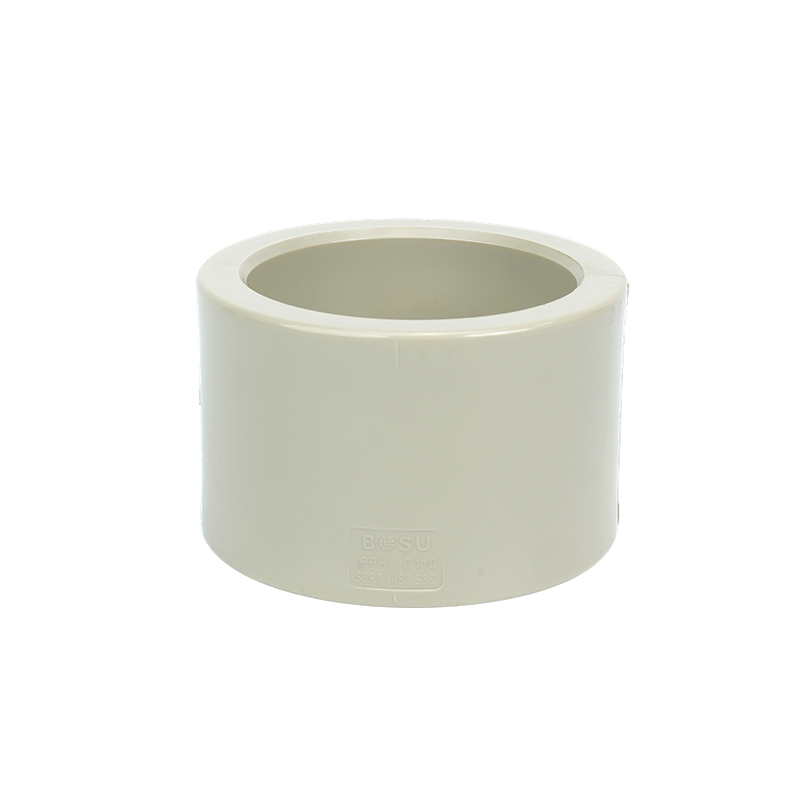
Digunakan dalam sistem perpaipan yang memerlukan sambungan hujung biasa. S...
Lihat Lagi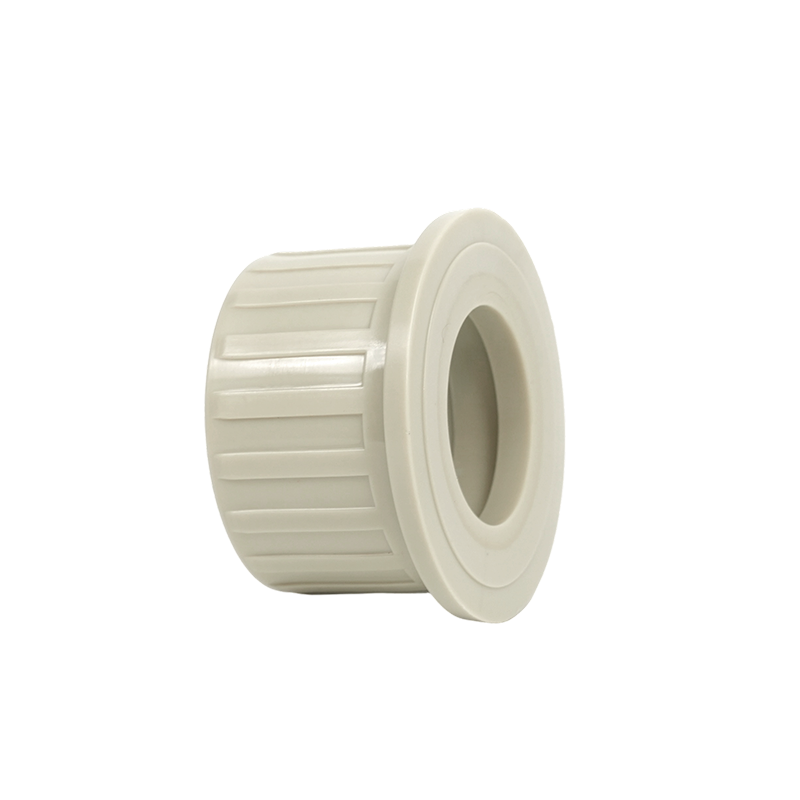
1. Tahan lama, anti-karat, ringan, berfungsi sebagai saluran paip tertutup, p...
Lihat Lagi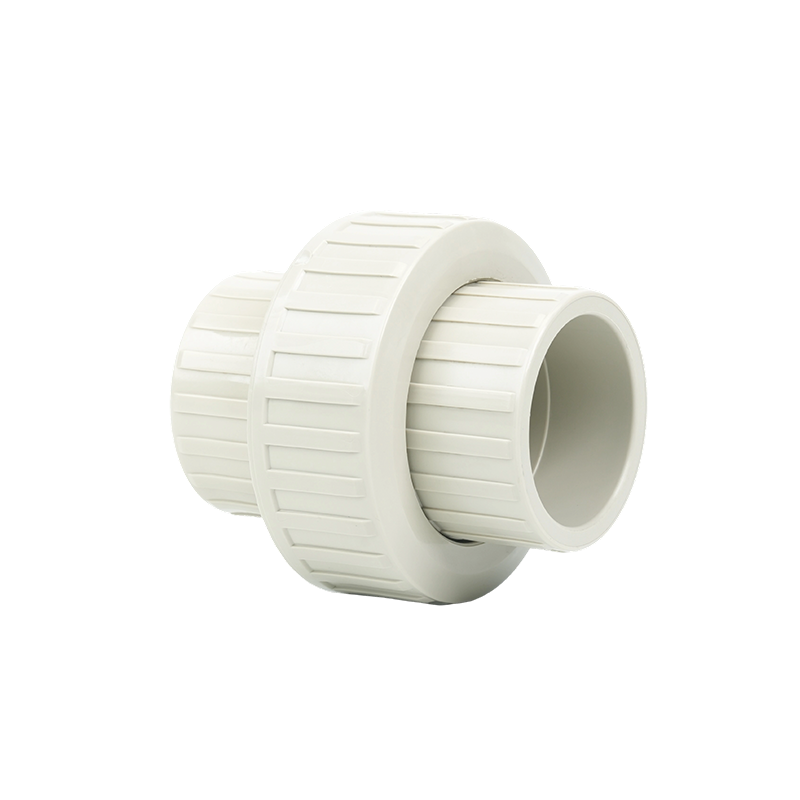
Pemasangan ini direka untuk menyambungkan paip ke dalam sistem saluran paip. ...
Lihat Lagi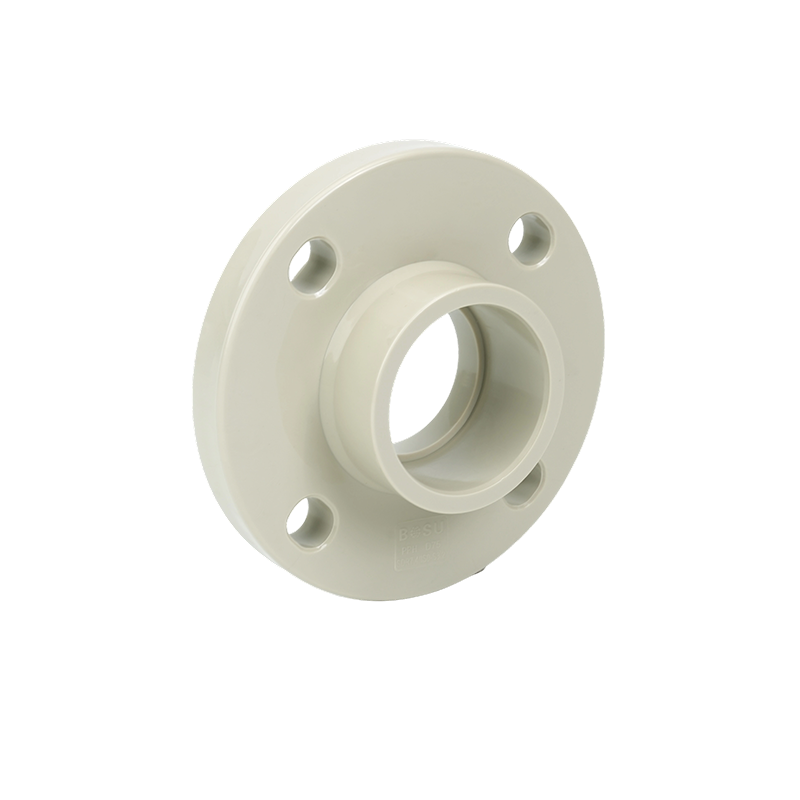
Ciri-ciri produk: Mudah dipasang, kelengkapan ini digunakan secara berp...
Lihat Lagi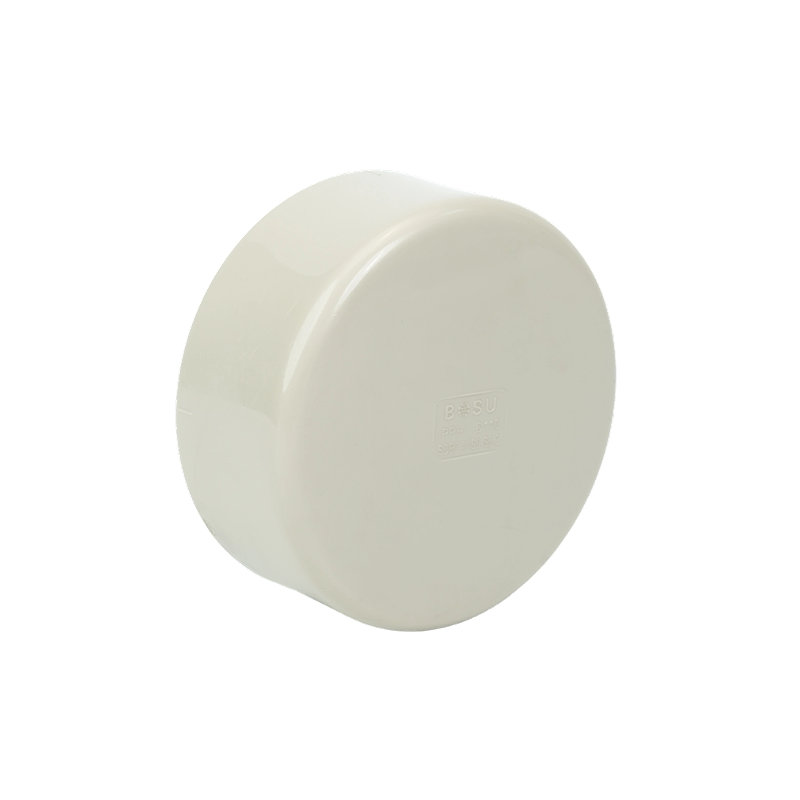
1. Tahan lama, tahan kakisan, ringan, digunakan untuk mengelak saluran paip. ...
Lihat Lagi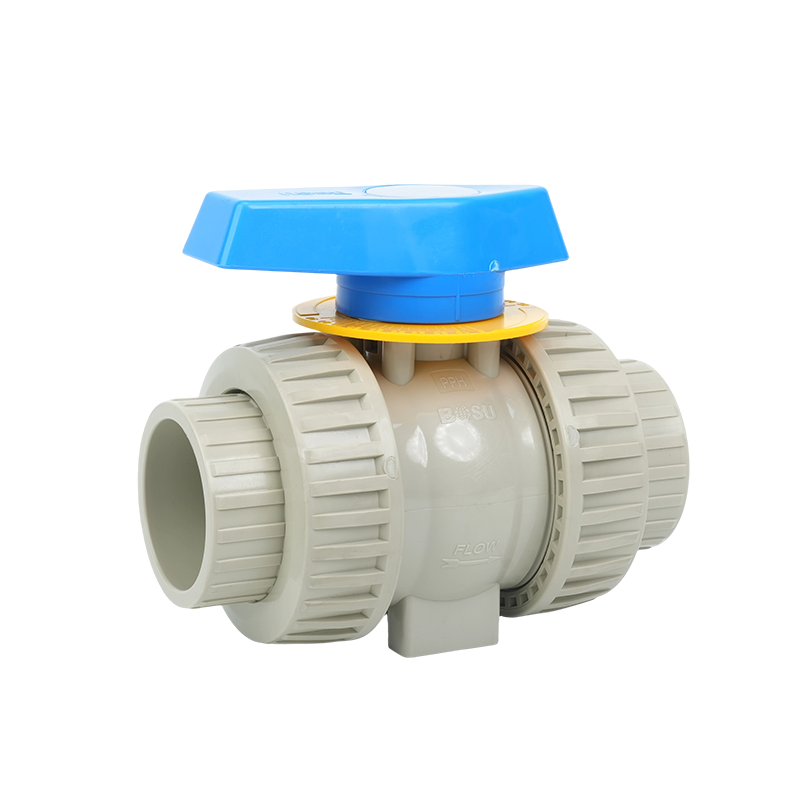
1. Ciri-ciri Produk: Fungsi petunjuk pemegang yang diperibadikan, pasang LOGO...
Lihat LagiWhat are the main application scenarios for β-PPH Pipes?
1. Photovoltaic and Semiconductor Ultrapure Water Systems – Suitable for ultrapure water transportation in photovoltaic module cleaning and semiconductor production. It can operate long-term at resistivity above 18 MΩ·cm, preventing metal ion contamination.
2. Chemical and Acid/Alkali Media Transportation – Exhibits excellent corrosion resistance in the transportation of highly corrosive media such as steel pickling, waste acid recovery, concentrated sulfuric acid, and sodium hydroxide, significantly reducing the risk of pitting corrosion.
3. Pharmaceutical and Food Pure Water Piping – Meets food-grade and pharmaceutical-grade hygiene standards. The smooth pipe walls are easy to clean, ensuring the safety and purity of the transported liquids.
4. Environmental Protection and Wastewater Treatment – Used for pipelines transporting wastewater, waste acid, and ecological restoration projects, combining chemical stability with low energy consumption.
5. High-Temperature Hot Water and Geothermal Systems – Operates within a wide temperature range of -20℃ to +110℃, meeting the transportation needs of high-temperature fluids such as hot water and geothermal energy.
How are the recyclability and environmental performance of β-PPH Pipes?
1. Recyclable Material – β-PPH belongs to the polypropylene series. Its production process is energy-efficient, and after use, it can be reprocessed through conventional plastic recycling systems, meeting green building material requirements.
2. Low Emissions During Production and Use – Utilizing the β-modification process, the pipes have low maintenance costs throughout their service life, reducing repair and replacement frequency and thus lowering the overall carbon footprint.
3. Non-toxic and Odorless, Meets Food/Pharmaceutical Safety Standards – The material meets food-grade standards, contains no harmful additives, and does not release harmful substances during use, making it suitable for industries with extremely high hygiene requirements.
4. Advantages in Ecological Restoration – In groundwater and soil pollution remediation projects, β-PPH pipes, due to their chemical inertness and durability, can safely transport remediation media for extended periods, improving remediation efficiency and preventing secondary pollution.
Produk
Maklumat Syarikat
Alamat: No. 55 Jalan Haichuan, Zon Berteknologi Tinggi, Bandar Dongtai, Wilayah Jiangsu, China
Telefon Bimbit: +86 137 7009 5258
Telefon: +86-515-85479999
E-mel: [email protected]
Kami Ingin Mendengar Pendapat Anda!
